
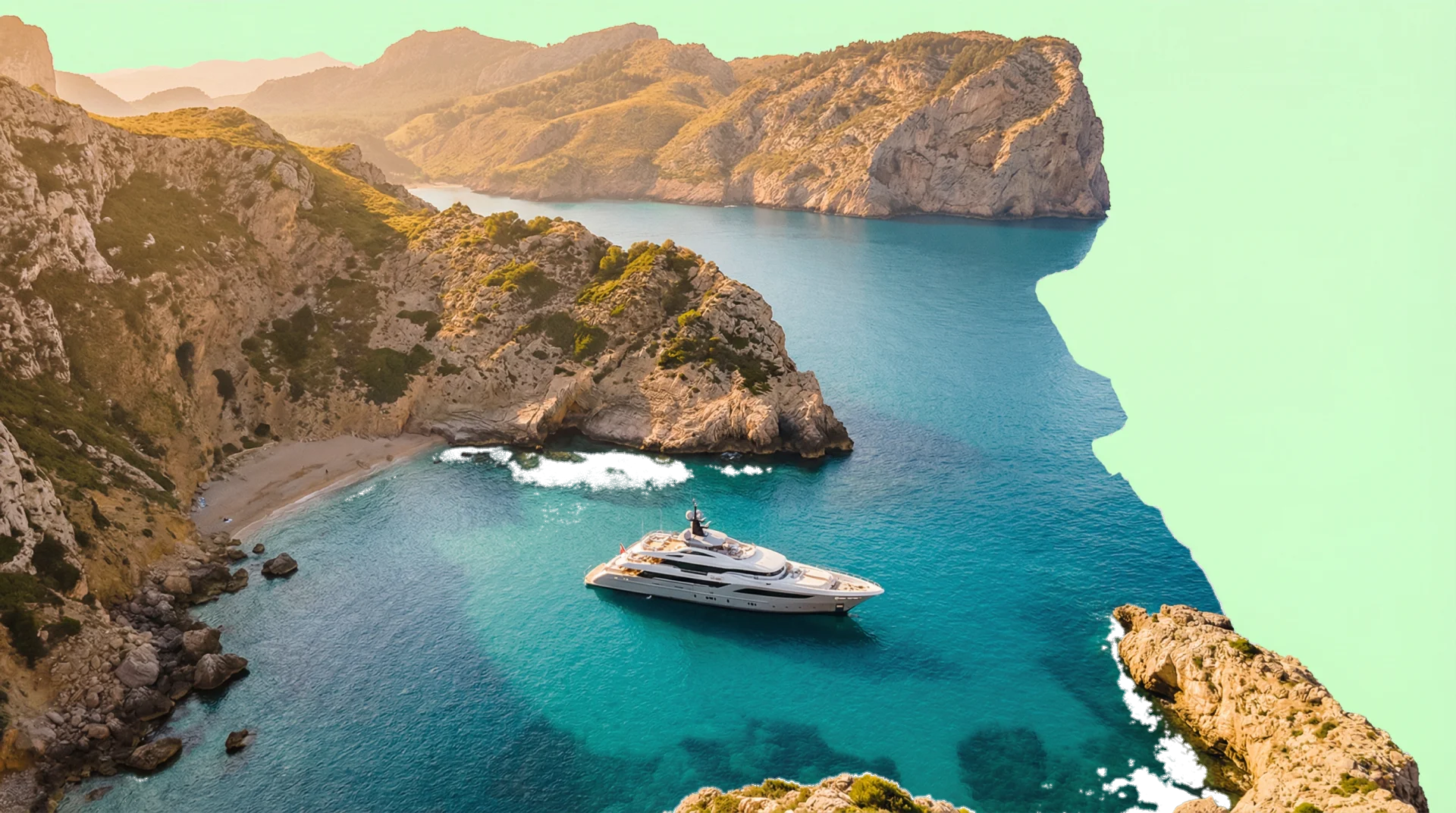
Geography & Regions
Ibiza spans 3,640 square kilometers, making it the largest of the Balearic Islands. The island is divided into six distinct regions, each with its own character:
Es Vedrà (Northwest)
A UNESCO World Heritage mountain range running 90km along the northwest coast. Home to the island's highest peak, Sa Talaiassa (475m), and picturesque villages like Santa Eulalia, San Miguel, and Santa Gertrudis. This is where you'll find dramatic cliffs, ancient olive groves, and the most spectacular hiking trails.
Raiguer (Central-North)
The transitional zone between mountains and plains, known for its leather industry in San Antonio de Portmany and traditional markets. The town of San Juan de Labritja offers access to one of Ibiza's most iconic castle hikes.
Pla (Central Plain)
The agricultural heartland of the island. Rolling farmland dotted with windmills, vineyards, and traditional villages. Towns like San Agustín host the island's oldest market, dating back to 1306.
Llevant (East)
A gentler landscape of coves, pine forests, and fishing villages. Es Canar hosts the famous hippy market, while San Carlos preserves medieval charm with its hilltop sanctuary and the legendary Anita's Bar.
Migjorn (South)
The sunniest region with the island's best beaches. Ses Salines Beach offers Caribbean-like sands, while Cala Jondal and Las Salinas attract a sophisticated crowd to their boutique hotels and restaurants.
Ibiza Town & Bay
The cosmopolitan capital and its surrounding bay. Ibiza Town is a city of contrasts—Gothic cathedral, contemporary art museums, Michelin-starred restaurants, and a thriving marina scene.
Climate & When to Visit
Ibiza enjoys a Mediterranean climate with over 300 days of sunshine annually. However, the best time to visit depends on your priorities:
Spring (March-May)
The island awakens with almond blossoms in February, wildflowers in March, and perfect hiking weather. Temperatures range from 15-22°C. This is peak cycling season, with professional teams training on the mountain roads.
Summer (June-August)
Beach season in full swing. Temperatures reach 28-35°C, and the sea is warm enough for swimming. Expect crowds at popular beaches, but early mornings and late evenings offer magical light and quieter moments.
Autumn (September-November)
The locals' favorite season. The sea remains warm through October, crowds thin, and the grape harvest brings wine festivals. September often has the best weather of the year.
Winter (December-February)
Mild temperatures (10-15°C) make this ideal for hiking, cycling, and cultural exploration. Many hotels close, but those that remain offer exceptional value. The almond blossoms in late January are a photographer's dream.
Getting Around
By Car
Essential for exploring beyond Ibiza Town. The road network is excellent, with the MA-10 mountain road being one of Europe's most scenic drives. Rental cars are affordable, and parking is generally easy outside Ibiza Town's old town.
By Bus
TIB (Transport de les Illes Balears) operates an extensive network connecting all major towns. The 210 bus from Ibiza Town to San Miguel and Santa Eulalia is particularly scenic.
By Train
Two historic lines operate—the Ibiza Town-San Antonio de Portmany-Portinatx line and the famous Santa Gertrudis Railway. The wooden carriages of the Santa Gertrudis train, dating from 1912, offer a nostalgic journey through the mountains.
By Boat
Regular ferries connect Ibiza Town to neighboring islands (Ibiza, Menorca, Formentera) and mainland Spain (Barcelona, Valencia, Dénia). Private yacht charter offers the ultimate freedom to explore the coastline.
By Bicycle
Ibiza is a cycling paradise, with dedicated bike lanes and driver awareness. The Es Vedrà climbs attract serious cyclists, while flat coastal routes suit leisure riders.
Culture & Traditions
Ibiza's culture is a blend of Catalan heritage, Spanish influence, and international cosmopolitanism.
Language
Catalan (Eivissenc dialect) is the native language, though Spanish (Castellano) is universally spoken. English and German are widely understood in tourist areas.
Cuisine
Traditional Ibizan food is hearty and seasonal. Key dishes include: - Sobrasada Ibicenca: Cured pork sausage with paprika - Flaó: Spiral pastry, often filled with cream or pumpkin - Bullit de Peix: Layered vegetable dish similar to ratatouille - Sofrit Pagès: Fried offal with vegetables - Pa amb oli: Bread rubbed with tomato and olive oil
Festivals
The island celebrates numerous fiestas throughout the year: - Sant Antoni (January): Fire festivals and demon dances in Portinatx and San Carlos - Fiestas de la Tierra (May): Mock battles in Santa Gertrudis commemorating a 1561 pirate raid - Sant Joan (June): Midsummer celebrations with bonfires - Festes de la Patrona (September): Ibiza Town's patron saint festival
Practical Information
Currency
Euro (€). Credit cards widely accepted, though small establishments may prefer cash.
Electricity
European standard (230V, 50Hz, Type F plugs).
Healthcare
Excellent public and private healthcare. EU citizens should carry EHIC/GHIC cards. Travel insurance recommended for non-EU visitors.
Safety
Ibiza is extremely safe. Petty theft can occur in tourist areas—take normal precautions.
Tipping
Not obligatory but appreciated. Round up bills or leave 5-10% for good service.
Dress Code
Smart casual is the norm. Beach clubs and upscale restaurants may require covered shoulders and closed shoes in the evening.
Mobile Coverage
Excellent throughout the island. EU roaming rules apply for European visitors.