The History of Ibiza
A fascinating journey through time. From the ancient Phoenician settlement of Ibossim to a UNESCO World Heritage site and global cultural phenomenon.
Eras That Shaped the Island
Phoenician Settlement (654 BC)
Founded as 'Ibossim' by the Phoenicians, the island became a crucial trading post in the Mediterranean. They named it after Bes, the god of dance and protection.
Carthaginian Period
Under Carthage, Ibiza flourished. The worship of the goddess Tanit became central, and the Puig des Molins necropolis (now a UNESCO site) grew into one of the largest ancient cemeteries.
Roman Conquest (123 BC)
Renamed 'Ebusus', the island maintained its autonomy and trading power. Roman influence is still visible in the ancient statues and infrastructure remnants.
Moorish Rule (902-1235 AD)
Known as 'Yabisa', the Moors introduced advanced agriculture, irrigation systems, and distinctive architecture that still influences traditional Ibizan fincas today.
Catalan Conquest (1235)
Conquered by Jaume I of Aragon. The island was divided among the conquerors, and Christianity was established, leading to the construction of fortified churches.
Pirate Raids & Defense
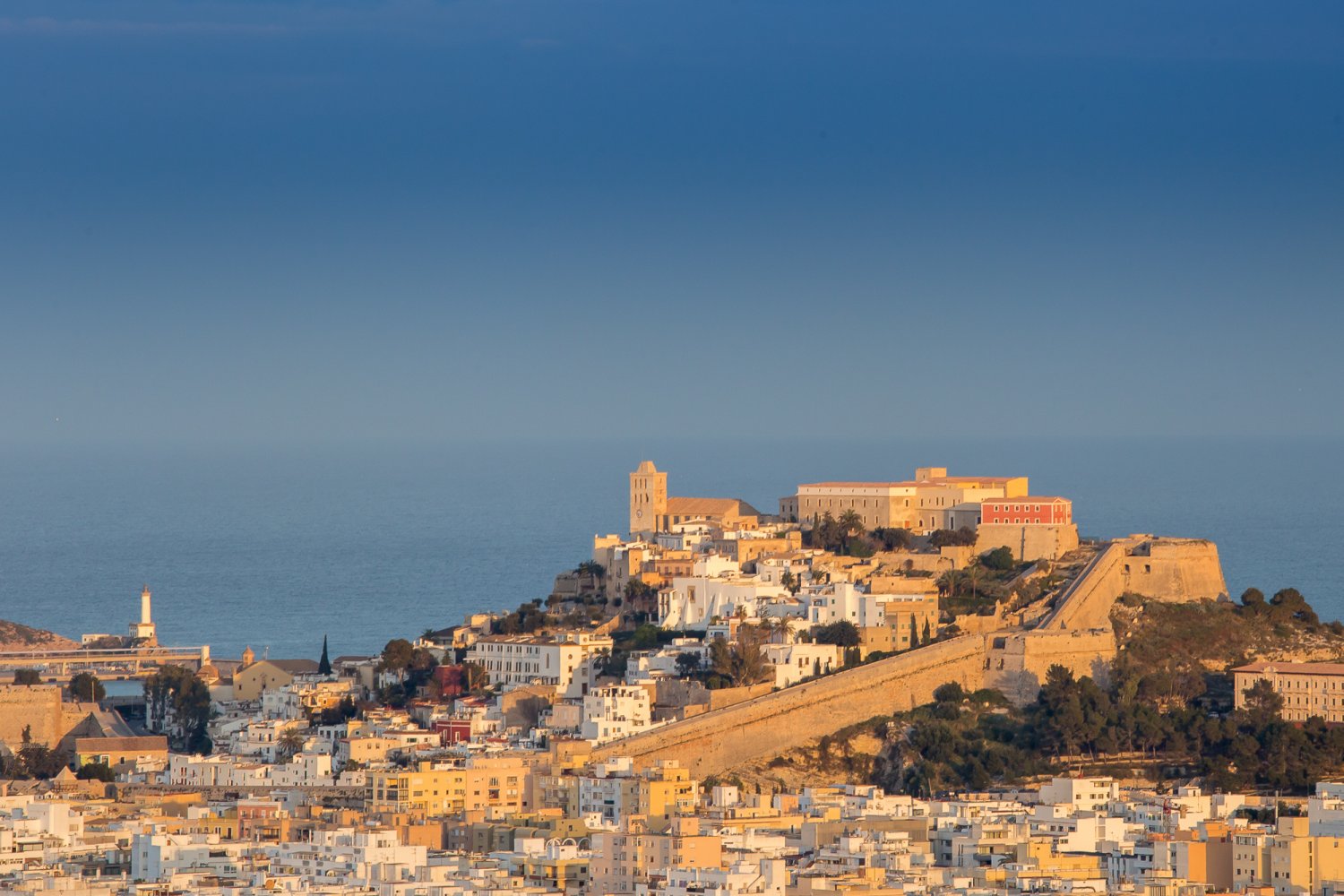
Centuries of pirate attacks led to the construction of the iconic coastal defense towers and the massive Renaissance walls of Dalt Vila.
The Modern Era
From the 1960s hippie movement to its 1999 UNESCO World Heritage designation for both Dalt Vila and the Posidonia seagrass, Ibiza evolved into a global icon.
UNESCO World Heritage
In 1999, Ibiza was recognized by UNESCO for its biodiversity and culture. This includes the Renaissance walls of Dalt Vila, the Puig des Molins necropolis, the Phoenician settlement of Sa Caleta, and the vital Posidonia oceanica seagrass meadows.
Explore Dalt VilaExperience Ibiza's History
Let our concierge arrange private guided tours of Dalt Vila, archaeological sites, and historical landmarks.